
The philosophy of privatization is killing public services
In the era of Mitt Romney Republicans, it was very popular for right leaning politicians to claim they would be able to run the government like a business. Thankfully, this sales pitch has started to lose its luster in recent years. Most people recognize that the government isn’t a business and being a private equity manager doesn’t automatically make you a successful governor.
However, the broader philosophy of privatization is more persistent. Commentators think about public investments in terms of returns, and focus deeply on the efficiency of those services. It’s even a cliche to say that the government is run poorly and full of waste.
Usually that “waste” being highlighted is a dog whistle for the “wrong” people receiving essential public services, but I’ll set that aside for now. Oh and also, there’s much less scrutiny when it comes to excessive military spending, but again, I’ll set that aside.
This privatization mentality is a detriment to the services that the government provides and contributes to a building distrust in the essential mission of collectivism that public cooperation provides.
Thinking about government services in terms of profits and losses is the entirely wrong mentality. We should be thinking of them in terms of the value they provide and subsidizing them accordingly to adequately provide those services.
I’m also not going to argue for the dollars and cents part of this. Budgets are complex and wide ranging with many competing priorities, but rather I want to highlight the pitfalls of the privatization mentality and how it affects the philosophy of government services.
The US Postal Service and Amtrak are two great examples of the pitfalls of privatized thinking, so let’s dig into how this philosophy has degraded these public services.
The US Postal Service
Some readers may know that the USPS is entirely self funded. That means the money we pay for stamps or boxes is all the funds that the USPS has to operate. There is no additional tax funding going into the organization.
It wasn’t always like this, before the Postal Reorganization Act of 1970, the Postal Service was a government department that was subsidized. In part due to a strike and broader economic downturns in the 70’s, it was determined that the USPS will have to act independently and be more like a private business.
It’s mandated by law that it doesn’t receive any additional public funds.
So where does that get us now? Currently the USPS is running a deficit and enacting a wide range of reforms to try and get back to break-even. They’ve signaled that in the coming years they will raise prices and cut down on services. This includes a greater emphasis on packages, contracts with online sellers and deprioritizing letter mail.
The result of legally mandated self-funding is deteriorating service and worse outcomes for the public. This is the philosophy of privatization at work. When the mandate of the USPS is that it must break even and not be subsidized by our collective tax dollars, the mail gets worse.
Many will argue that we don’t need the mail the same way we used to, that bills and important notices are served to you online. But the mail is still an integral part of how the public functions. Older people that don’t have online technological know-how use the mail for critical documents, and so do the millions of people with limited access to technology and broadband. And in an election year, there will be countless people voting by mail, making their voice heard.
By tying the USPS to the mandate of profitability and the philosophy of privatization we’ve decided that the service will be worse and this essential function may not even last forever.
Amtrak
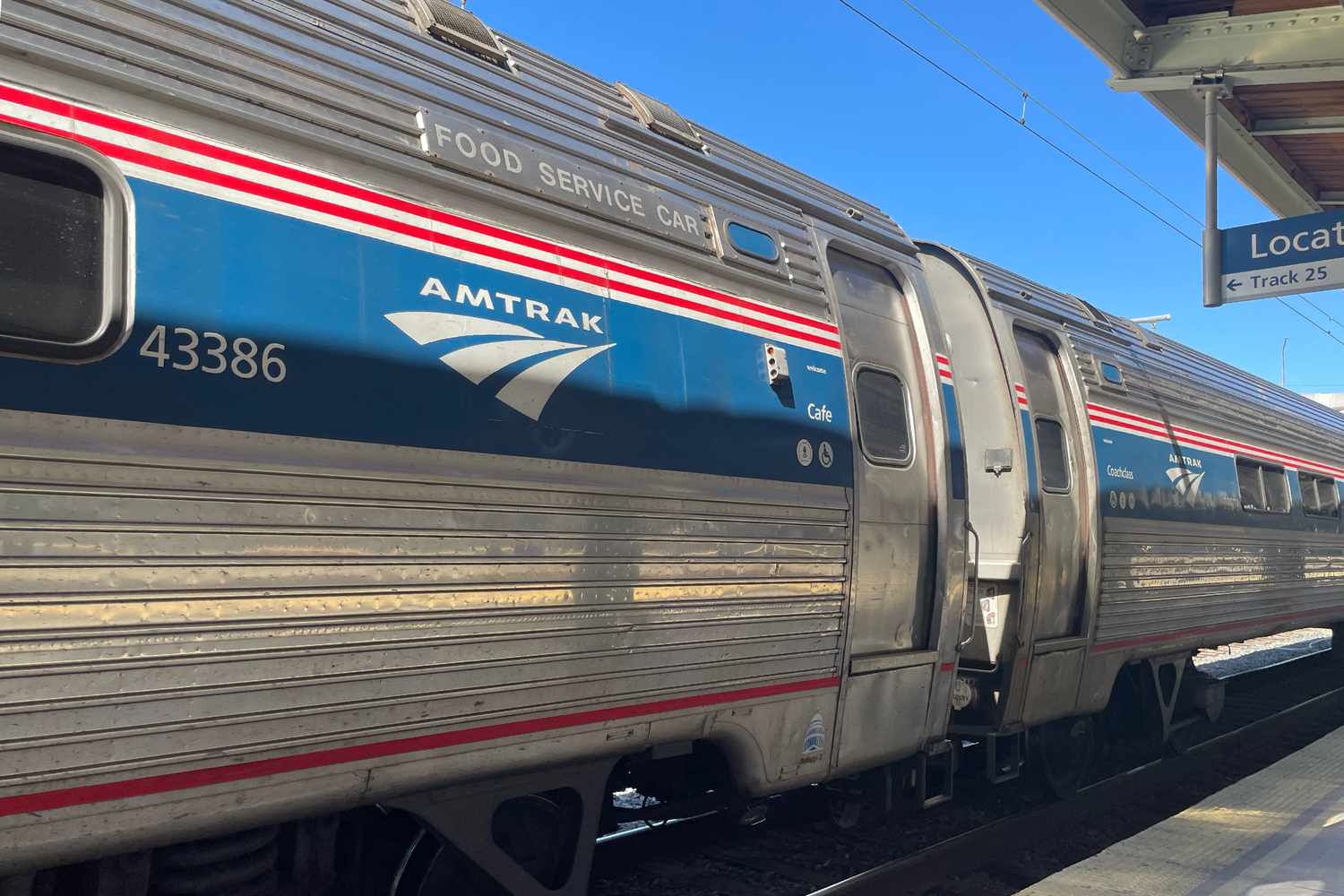
Around the same time that the USPS was formed, the government formed Amtrak in an attempt to save the failing private rail industry. While Amtrak isn’t entirely self funded, it still works from a privatized model. Amtrak itself is a private, for-profit entity that’s subsidized by federal and state funds.
Despite the existing subsidies, the privatization philosophy is constantly swirling around Amtrak with breathless coverage of the fact that the rail agency never turns a profit. It’s also fueling consistent calls from right wing think tanks like the CATO Institute to fully privatize Amtrak.
That philosophy also means constant analysis of what rail lines will be most financially efficient from journalists and policy analysts like Matt Yglasias at Slow Boring, which inevitably results in calls to close lines and only serve highly populated areas. I’m sympathetic to the results based criticism and the goals to have a more effective rail system with the governing structure we live with today, but this mentality is ceding the ground of privatization and profit motivated services.
Especially with high-speed rail in the US, we’re constantly told to think within the box of profitability. We can only offer the services that are sustainable through the price of tickets. I don’t think that’s the right way to think about this essential collective good.
Rail travel should be a key part of our fight against climate change, and should be treated as an essential service. It should be less important that Amtrak is profitable and much more important that it is utilized and competitive with high-polluting modes of travel. When an Amtrak train is more expensive than a plane ticket and takes 3 hours longer to go the same distance, we don’t have any hope of improvement.
The funding of rail service in the US should be strongly subsidized by our tax dollars, if not nationalized, and should be thought of as an essential service that we all benefit from. Don’t focus on profitability, focus on the effectiveness of service and build efficiency from there.
Give us real public services
I will reiterate, budgets and constraints are real problems that need to be hashed out. Both federal and state governments should aim to balance their budgets and not run endless deficits, we live in a world of constrained resources.
However, that doesn’t mean that we should maintain this philosophy of privatization and demand that public services be profitable or self-sustaining.
This, I believe, is a key point in the broader collapse of public trust in institutions. We’ve been swimming in an ideology of privatization for so long that we’ve convinced ourselves that every government service has to make back every penny it spends. But that’s not how social services are meant to be conceived. We come together, pay our taxes, and mandate a group of representatives to build collective goods that serve us in ways that individual resources never could.
The money lost on the USPS is our way of ensuring that people with limited broadband access can pay their bills and people with disabilities have an easy way to vote. The money lost on subsidizing Amtrak is our way of ensuring that everyone has access to economic mobility and opportunity across the country through sustainable transportation.
That is how you build trust in public institutions, you deliver the benefits of public services. By constraining our imagination to what is profitable, we give people the worst of both worlds: poor services weighed down by scolding conservatives saying the service isn’t profitable.
If you deliver on the promise of public services people will trust those institutions and find pride in their contribution. So when thinking about government services we should first think about what will be effective rather than constraining ourselves to what is profitable.